

Choosing assisted living in Sarasota, FL, for someone you care about brings real benefits alongside genuine challenges. Families deserve honest information about both.
Success comes from matching your loved one’s specific needs to what each community actually provides, rather than choosing based on price alone or attractive amenities. Understanding both the advantages and difficulties helps everyone feel more confident about this important decision.
This guide explains the real advantages and challenges of assisted living, what daily life actually looks like in these communities and how this option compares to other care choices. Whether you’re exploring assisted living communities in Sarasota, FL or trying to understand if this transition makes sense for your family, you’ll find clear answers about what this change truly involves for everyone.
What Does Assisted Living Actually Mean For Your Family?
Assisted living provides housing and support for older adults who need help with daily tasks but don’t need the intensive medical care a nursing home delivers. The concept centers on a simple premise: older adults move to a community where they receive assistance with the daily tasks of living. This option fills the gap between living independently at home and needing round-the-clock medical supervision.
How Does a Typical Day Look Like?
Daily life balances routine with personal choice. Your loved one wakes up when they want, not when an institution says they should. Staff helps with morning routines like toileting, getting dressed or taking medications as needed. Home maintenance, meal planning and grocery shopping become someone else’s responsibility.
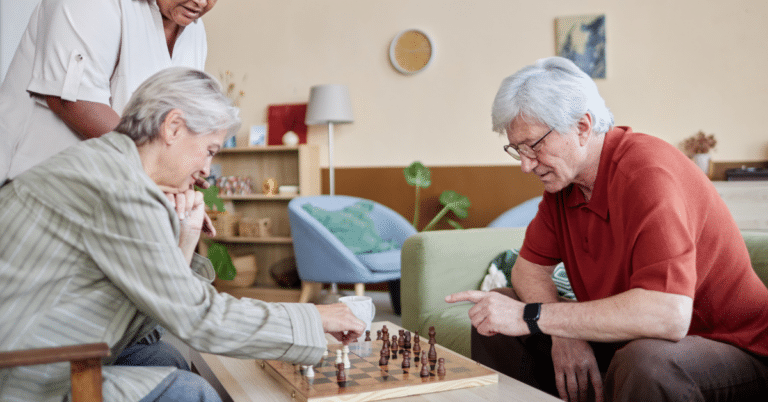
Mealtimes turn into social moments instead of daily chores. Communities serve three prepared meals each day in shared dining rooms. Afternoons might include pursuing hobbies, visiting with family or joining activities like card games and group programs. Evenings typically wind down with dinner, conversation and bedtime routines with caregiver support when needed.
How Does Support Go Beyond What Many Families Realize?
Each resident receives personalized assistance based on their specific needs. Medication support covers reminders, pharmacy coordination, storage and assistance by trained staff. Personal care includes help with hygiene, grooming, dressing, moving from bed to wheelchair, toileting, eating and bathing.
Communities handle housekeeping, laundry, building maintenance and yard work. Transportation typically runs on schedules to medical appointments, shopping trips and community outings. Social and recreational programs keep residents engaged through fitness classes, hobby groups, community outings and special events.
Discover a More Connected Life
What Challenges Should You Expect?

Will Privacy Feel Different Than Living at Home?
Communal dining and shared activity spaces mean less solitude than your loved one enjoys at home. Care team members enter rooms to provide daily assistance, which changes personal space boundaries. Some residents find shared spaces and regular check-ins take adjustment, especially those who lived alone previously. People accustomed to complete independence at home notice this change most during the first few months.
This adjustment period is normal. Most residents develop comfort with community living as they build relationships and establish new routines.
How Difficult is the Move Emotionally?
Most people need three to six months to feel settled, though some require up to a year (O’Neill et al., 2022). Leaving a family home creates emotional stress for everyone involved. Sadness, frustration and feeling disoriented during the first weeks are natural responses to such a significant change. Some residents experience temporary confusion or mood changes as they adapt to new surroundings.
These feelings don’t mean the decision was wrong. They reflect the normal process of adjusting to a different living situation. Patience and family support help ease this transition.
How Can You Tell if a Community Provides Good Care?
Care quality differs significantly between assisted living communities. Warning signs include understaffing, poor communication between team members and management problems that affect daily life. Without consistent quality standards, finding person-centered care requires careful evaluation.
Visit multiple communities before deciding. Ask about staffing levels during different shifts, observe how team members interact with residents and request references from current families. Quality care should feel warm, attentive and focused on your loved one’s individual needs.
Matching Your Loved One’s Needs
All things considered, assisted living offers genuine benefits through professional care, reduced isolation and family relief, but costs and privacy adjustments require honest consideration. Quality varies significantly between communities, so visit multiple communities before deciding. Above all, match the care level to your loved one’s actual needs rather than choosing based solely on amenities or price. Contact us at (941) 927-0404 to schedule a tour of Maravida Sarasota and learn how the right accommodations provide social connection and personal freedom.
FAQs
Q1. How long does it typically take to adjust to assisted living?
Most residents need three to six months to feel comfortable in their new environment, though some may require up to a year. The initial weeks often involve feelings of sadness, frustration and disorientation as residents adapt to communal living and new routines. This adjustment period is a natural part of the transition.
Q2. What services are typically included in assisted living?
Most assisted living communities provide support with daily activities such as bathing, dressing, medication management, housekeeping, laundry, meals, transportation and social programs. Services vary by community, so it’s important to understand what is covered in the monthly fee and whether additional care services are available if needs change over time.
Q3. Can residents keep their independence in assisted living?
Yes. Assisted living communities are built to support independence rather than replace it. Seniors can choose how they spend their days, participate in activities that interest them, enjoy private living spaces and receive assistance only where needed. The goal is to provide support that helps older adults remain active, engaged and confident in their daily lives.
Find the Right Community